Building a Second Brain
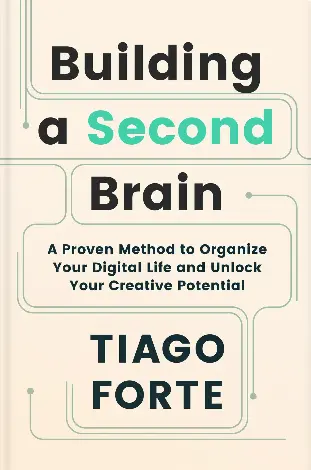
I recently came across this super cool concept called a Second Brain, thanks to Hilman's Twitter thread and the book Building a Second Brain. Basically, it’s a personal system to store and organize all your information so it's actually useful later on.
Why do we need one? Our brains are amazing for thinking, but not so great at remembering every single detail. Without a system, all our ideas and notes can feel scattered and hard to act on. A Second Brain helps you capture, organize, and retrieve information so it's useful for work, personal projects, or just daily life.
A Simple Daily Example 📝
After meetings or feature grooming sessions, I'm sometimes taking a quick notes—key points, specs, testing steps, or highlights from a PRD. Later, when my to-do list gets long, I can just check my notes instead of trying to remember everything. That’s pretty much me building my own Second Brain. Even small notes make a huge difference.
Beating FOMO & Info Overload 🤯
Ever feel like you're missing out? It happens to me a lot with stocks or crypto—people share predictions, and it's tempting to jump in. With a Second Brain, you can process information properly instead of just reacting impulsively. It's not just about storing info; it's about making sense of it.
Tools for Your Second Brain 🛠️
Digital tools like Evernote, Google Keep, or Apple Notes are perfect because you can:
- Search for anything easily
- Group and organize information
- Sync across all your devices
- Share notes if you need to
Analog tools (notebooks, kanban boards) can work too, as long as you can manage your notes easily.
How It's Different from Regular Notes 🤔
A diary or regular notes just capture past events. A Second Brain is systematic, with a focus on future follow-ups. Its purpose is to help you take action on or recall information later, not just for the moment.
The CODE Method 🧑💻
The book suggests a method called CODE (Capture, Organize, Distill, Express):
- Capture: Write down anything important or interesting that comes your way.
- Organize: Structure your notes in a way that makes sense to you (the book suggests PARA: Projects, Areas, Resources, Archives).
- Distill: Extract the main points and summarize your notes.
- Express: Turn those notes into actions, even if they're small steps at first.
Even if you adjust this method to fit your own style, the goal is the same: to make information usable, not just stored away.
The Takeaway 🧠
A Second Brain is more than just a place for notes—it's like a thinking assistant. It helps you remember, analyze, and act on your ideas, making your work and projects so much easier to handle.
If you want to dive deeper, I highly recommend checking out the book Building a Second Brain to learn about Personal Knowledge Management and Extended Cognition.